
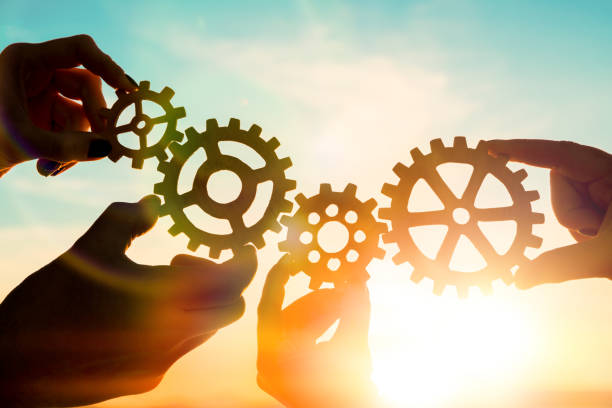
From Waterfall to Agile: Why the Shift Matters
In the world of project management and software development, change has been the only constant. For years, teams followed the Waterfall model — a linear, phase-by-phase approach where everything was planned upfront. While structured, it often felt rigid, slow, and disconnected from the evolving needs of customers and teams.
But why did we move away from Waterfall? And why does that shift matter so much today?
What Is the Waterfall Model?
The Waterfall model is one of the earliest approaches to managing projects. Think of it as a cascading flow:
Requirements → Design → Implementation → Testing → Deployment → Maintenance
Everything is planned before a single line of code is written. The biggest drawback? If something goes wrong or needs to change mid-way, it’s often too late, too expensive, or too complicated to fix. Customer feedback comes at the end, when the product is already built. That’s like building a house, handing over the keys, and then finding out the family actually needed two more rooms.
Why Agile Emerged
As industries evolved and customer expectations increased, teams needed to adapt faster, deliver value sooner, and stay flexible. Agile was born from the frustration of Waterfall’s limitations — and from the desire to build better products with users, not just for them.
Agile breaks work into smaller pieces, delivers incrementally, and encourages constant feedback and collaboration. Instead of one big delivery months later, teams ship value continuously, learning and improving as they go.
Agile in a Nutshell
At its core, Agile is about:
- Individuals and interactions over processes and tools
- Working software over comprehensive documentation
- Customer collaboration over contract negotiation
- Responding to change over following a fixed plan
Frameworks like Scrum, Kanban, and Extreme Programming (XP) bring Agile principles to life in different ways, but the heartbeat is the same: flexibility, feedback, and focus on value.
Why the Shift Matters Today
Here’s why this shift isn’t just trendy — it’s essential:
- Customer-Centricity: Agile puts the customer at the center of everything.
- Speed to Market: Smaller, frequent releases mean faster delivery.
- Flexibility: Priorities can shift without breaking the whole plan.
- Team Empowerment: Agile encourages self-organizing, cross-functional teams.
- Continuous Improvement: Feedback loops fuel progress, not frustration.
In a fast-moving world, being able to adapt is a superpower. Agile helps teams not just survive, but thrive.
The Voyage Ahead
Moving from Waterfall to Agile isn’t just a process change — it’s a mindset shift. It takes time, intention, and sometimes unlearning habits that no longer serve us. But it’s worth it.
On Agile Voyage, we’ll explore the tools, principles, frameworks, and real-life stories behind this evolution. Whether you’re just starting out or refining your practice, this space is for you.

Hi, this is a comment.
To get started with moderating, editing, and deleting comments, please visit the Comments screen in the dashboard.
Commenter avatars come from Gravatar.